The Facts About Head Lice
Understanding the truth about head lice is the first step toward effective treatment and peace of mind for your family.

Static Nature
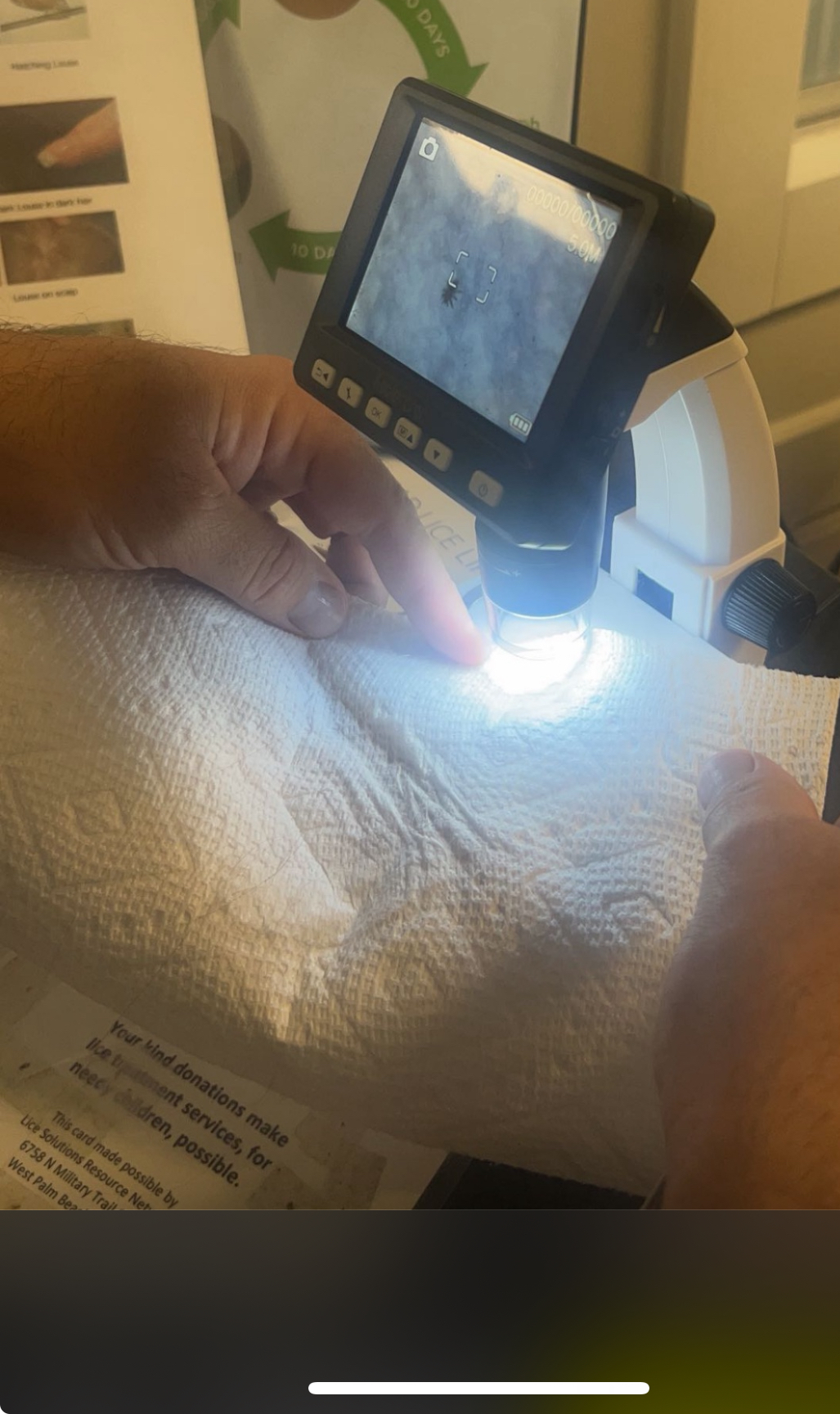
Head lice do not fly, jump, or swim. They move solely by crawling from one host to another.

Rapid Reproduction
An adult female louse can lay over 100 eggs in her 30-day lifetime, making early detection and intervention critical to preventing a severe infestation.

The Hygiene Myth
An infestation is not an indication of poor hygiene. Clean or dirty hair does not affect the likelihood of hosting lice.

Household Impact
Once one person in a household is infested, there is a significant chance that others may also be affected quickly.

Mode of Transmission
Infestations occur almost exclusively through direct head-to-head contact. It is extremely rare to contract lice from the environment, with less than 2% of cases originating elsewhere.

Human Host Only
Head lice only live on the human head. They cannot survive on pets, furniture, or toys for more than a very short period.

Social Nuisance
Head lice are not dangerous. They do not carry diseases; they are simply a nuisance that requires thorough attention because they do bite .
Head Louse Life Cycle
A comprehensive understanding of the development stages is essential for effective removal. Our treatments are scientifically timed to interrupt this cycle and ensure a louse-free environment for your family.

Day 0
Egg laid on hair shaft. Nits are cemented to the hair close to the scalp for warmth.
Day 7–10
Louse hatches. This newly hatched louse is called a nymph and begins feeding immediately.
Day 11–12
First molt. The nymph sheds its exoskeleton for the first time as it grows larger.
Day 13–15
Second molt. Rapid growth continues as the nymph approaches maturity.
Day 16–17
Third molt. The final shedding occurs, resulting in a fully developed adult louse.
Day 17–18
Adult begins mating. The reproductive stage begins promptly after maturation.
Day 18–19
Female lays 4–8 eggs daily. This continues for about 16 days, leading to exponential growth.
Day 33–35
Louse dies. Having completed its cycle, the adult louse dies, leaving behind dozens of offspring stage.
Proper treatment timing is critical for complete removal. Our specialized screening and follow-up protocols are designed around this biology to ensure every life stage is addressed.
The Trusted Choice for Professional Lice Removal
We combine clinical excellence with a compassionate, family-focused approach to ensure your home is lice-free. Our safe, non-toxic treatments are the area's gold standard.

20 min
20 US dollars1 hr
185 US dollars1 hr 30 min
250 US dollars1 hr 30 min
100 US dollars1 hr
350 US dollars
TESTIMONIALS